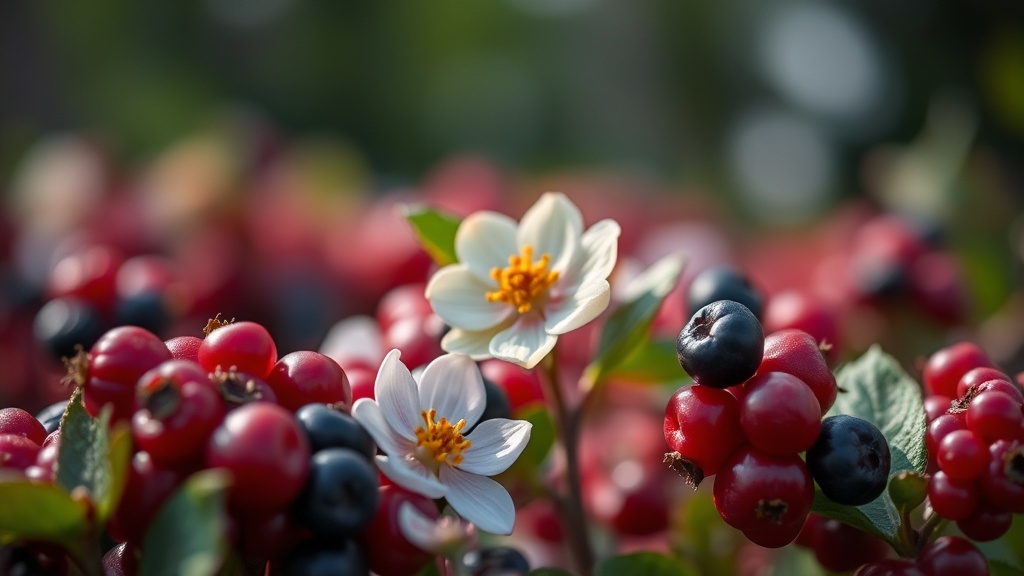
Finding the Best Local Wild Berry Spots

Are you wondering exactly where to find the sweetest wild blueberries and raspberries in the Parry Sound District without wandering aimlessly through the bush? This guide identifies the best locations, timing, and legal considerations for foraging wild berries in our corner of Ontario. You'll find specific advice on identifying edible species, the best gear for the job, and how to respect the land while you're out harvesting.
Where can I find wild blueberries in Parry Sound?
Wild blueberries grow most abundantly in the acidic, sandy soils found in the higher elevations and rocky outcrops around the Georgian Bay coastline. You'll often find them in the clearings near the edges of pine forests or in areas where the canopy has opened up due to fallen trees. In our region, these are often technically highbush blueberries, which are slightly larger and more robust than the lowbush varieties found further north.
If you head toward the trails near the Georgian Bayland or near the outskirts of Magnetawan, you'll see clusters of them if you know what to look for. They don't always jump out at you—they tend to hide under the leaves of shrubs—but once you spot one bush, there's usually a whole colony nearby. It's a bit of a treasure hunt, really.
A few things to keep in mind when you're out there:
- Check the soil: Look for sandy, well-drained ground.
- Look for height: Highbush varieties can reach waist-height, making them easier to pick than the creeping lowbush variety.
- Watch your footing: The terrain in the Parry Sound district can be uneven and rocky.
It's worth noting that many people confuse wild blueberry bushes with wayward raspberry canes or even certain types of weeds. Always verify what you're picking. If you aren't 100% sure, leave it alone. I've seen too many people nearly ruin a perfectly good snack by picking something they thought was edible but wasn't.
For a deeper look at the botanical differences between species, the Wikipedia page on blueberries provides a solid technical breakdown of the genus Vaccinium.
What are the best times to forage for wild berries in Ontario?
The peak season for wild berry foraging in Northern Ontario typically runs from late June through August, depending on the specific berry and the year's weather patterns. Early summer is the time for strawberries and raspberries, while the blueberries tend to peak a bit later in the mid-to-late summer heat.
The timing is everything. If you go too early, you'll just be picking hard, green fruit that tastes like nothing. If you go too late, the birds and the heat will have already finished the job for you. (And trust me, the birds are fast.)
| Berry Type | Peak Month | Best Environment |
|---|---|---|
| Wild Strawberry | Late June / July | Sunny-edge of meadows |
| Raspberry | July / August | Thicket edges and forest margins |
| Blueberry (Highbush) | August | Sandy, acidic soil/open woods |
| August | Disturbed ground and sunny paths |
If the spring was particularly wet or cold, you might see a delay in the ripening process. I've had years where I felt like I missed the window entirely because the weather didn't cooperate. Keep an eye on local weather reports—heat waves can sometimes speed up the process, but they can also cause the berries to rot on the vine faster than you can pick them.
Do I need a permit to pick wild berries in Ontario?
In Ontario, you generally do not need a permit for personal, non-commercial foraging on Crown land or public land, provided you aren't harvesting at an industrial scale. The rule of thumb is that if you are picking a small amount for your own family to eat, you are perfectly fine. However, if you start filling large buckets to sell at a farmer's market, you're entering a different legal territory regarding commercial harvesting rights.
This is a big distinction. If you're out on a hiking trail in a Provincial Park, the rules are much stricter. While you can often pick small amounts of berries for personal use, you shouldn't be stripping the bushes bare or damaging the vegetation. We want these spots to be around for next year, too. It's a delicate balance.
If you are interested in the specific regulations regarding provincial lands and parks, you should check the Ontario Parks website for their specific guidelines on resource use. It's always better to check than to get a fine from a ranger.
One thing to watch out for: Private Property. This sounds obvious, but in the Parry Sound area, many "wooded" areas are actually part of private cottage lots or seasonal properties. Don't be that person wandering through someone's backyard looking for raspberries. It's bad form and can lead to some very awkward conversations with neighbors.
Essential Gear for Berry Picking
You don't need a lot of equipment, but a few specific items will make your life much easier. I wouldn't suggest just using your shirt pockets—that's a recipe for a bruised harvest.
- A lightweight basket: Wicker or mesh is great because it allows air to circulate.
- Proper footwear: I recommend a sturdy pair of hiking boots or even a pair of Blundstones if you're just doing light walking. You need ankle support for those rocky paths.
- Bug protection: The flies and blackflies in this part of Ontario are no joke. Bring a high-quality repellent or a head net.
- Gloves: Especially for blackberries. Those thorns are sharp and will ruin your afternoon if you're not careful.
I usually bring a small wayfinder or even just a reliable GPS app on my phone. It's easy to lose track of where you parked your car or where the trail entrance is when you're staring at the ground looking for berries. I've definitely had a moment where I felt a bit turned around because I was too focused on the bushes and not the path.
"The best way to enjoy the wild berries of the Parry Sound district is to move slowly, respect the flora, and always leave enough for the local wildlife."
When you're out there, remember that the berries are a gift from the season. If you see a bush that is heavily laden with fruit, maybe pick just a handful from a few different spots rather than stripping one entire plant. It keeps the ecosystem healthy and ensures the berries will be there for the next person. Or the local bears, for that matter.
If you're looking for more information on the ecology of the Canadian Shield and how it affects plant growth, the CBC Nature section often has great pieces on local biodiversity and how our environment changes seasonally.
The best part of this whole process isn't even the fruit itself. It's the quiet time in the woods. There's something about the way the light hits the forest floor in August that makes the effort worth it. Even if you only find a handful, that's a handful of the best flavor you'll ever experience.
Steps
- 1
Check the Seasonality
- 2
Identify Your Berries
- 3
Pack the Right Gear
- 4
Respect the Land