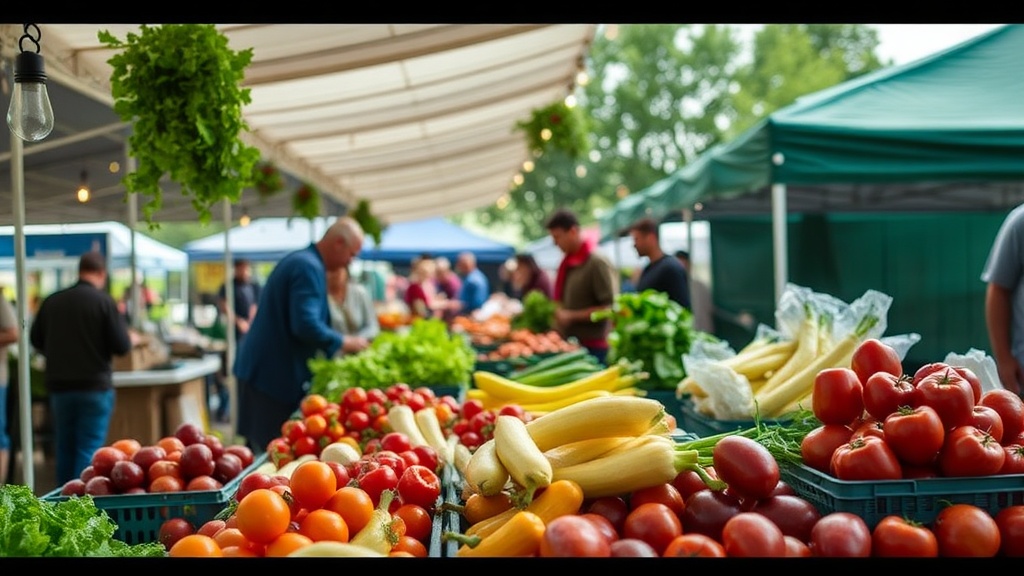
Parry Sound Farmers Market: Your Local Guide to Fresh Finds & Community

This guide covers everything you need to know about the Parry Sound Farmers Market — when it runs, who's selling what, and how to make the most of your Saturday morning. Whether you're a regular looking for new vendors or you've never ventured down to the waterfront market, you'll find practical details on seasonal offerings, parking tips, and why this gathering matters to our community's local economy.
When and Where Does the Parry Sound Farmers Market Take Place?
The Parry Sound Farmers Market operates every Saturday from 8:00 AM to 1:00 PM, running from the May long weekend through Thanksgiving weekend in October. You'll find the market set up along the waterfront near the Charles W. Stockey Centre for the Performing Arts — that's at 2 Bay Street, right where the harbour meets the downtown core.
Here's what you need to know about timing your visit:
| Time Slot | Best For | What to Expect |
|---|---|---|
| 8:00 – 9:30 AM | Serious shoppers, early birds | Full selection, freshest produce, easier parking |
| 9:30 – 11:30 AM | Families, socializing | Peak crowds, live music often starts, food trucks busy |
| 11:30 AM – 1:00 PM | Bargain hunters | Some vendors discount items, but selection is picked over |
Parking is available along Bay Street and at the Bobby Orr Community Centre lot (a five-minute walk north). The catch? Waterfront spots fill fast by 9:00 AM, so arriving early pays off — especially if you're hauling home flats of preserves or a bushel of tomatoes.
What Can You Buy at the Parry Sound Farmers Market?
You'll find roughly 25-35 vendors each week, selling everything from just-dug potatoes to handmade pottery. The mix shifts with the seasons — spring starts with maple syrup and bedding plants, summer explodes with berries and field vegetables, and fall brings squash, apples, and root crops that store through winter.
Produce and Food Vendors typically make up about half the stalls. Look for Carling Farms (they're at nearly every market) with their heirloom tomatoes and garlic braids. Seguin's House of Cheese brings their award-winning cheddar and curds — the garlic dill variety rarely makes it past noon. Several Mennonite families from the surrounding townships sell eggs, honey, and baked goods that don't last long.
Artisan and Craft Vendors line the eastern section. You'll spot woodwork from local makers — cutting boards carved from Parry Sound area maple, turned bowls, and cedar planters. Textile artists sell knitted goods (practical for our cold winters), and jewelers work with local stones and beach glass.
Worth noting: the market rules require vendors to sell items they've grown, raised, or made themselves. No reselling allowed. That means when Margaret from Nobel says she picked those peas this morning, she actually did.
Who Are the Regular Vendors You Should Know?
While the roster changes seasonally, certain vendors have built followings over years of Saturday mornings. Getting to know them — and showing up consistently — gets you better cuts of meat, advance notice on limited items, and occasionally a deal on slightly imperfect seconds.
Carling Farms (seasonal vegetables, herbs, seedlings): The Carling family has farmed near Parry Sound for three generations. Their stall overflows by July — expect rainbow carrots, multiple potato varieties, and enough basil to pesto your freezer full. They take pre-orders via their Facebook page if you need bulk quantities for canning.
Seguin's House of Cheese (artisan cheese, butter): Based in St. Joseph Island but regulars at our market. Their aged cheddar competes with anything from Quebec, and the fresh curds squeak properly — a sign they're less than 24 hours old. The maple cheddar makes an absurdly good grilled cheese.
Parry Sound Honey (raw honey, beeswax products): Wildflower honey that tastes like the Georgian Bay islands — slightly floral, never cloying. They also sell propolis tinctures and beeswax wraps if you're trying to cut plastic from your kitchen.
Waterside Woodworking (cutting boards, utensils, small furniture): Doug mills his own lumber and finishes everything with food-safe oils. His edge-grain cutting boards run $45-85 depending on size — not cheap, but they'll outlast your knives.
Several vendors accept Parry Sound Farmers Market Gift Certificates (available at the information booth). That said, cash still rules here — many vendors are small operations without card readers, and cell service can be spotty by the water anyway.
What's the Best Strategy for Shopping the Market?
Treat it like a weekly ritual, not a chore. Bring your own bags — sturdy ones, since you'll likely buy more than planned. Cash in small bills helps everyone. And wear shoes you don't mind getting dirty; after rain, the gravel paths hold puddles.
Here's a practical approach:
- Walk the full market first. Do a complete loop to see what's available and compare prices. Some vendors sell similar items at different price points.
- Buy the perishables last. Start with dry goods, plants, and preserves. Fresh greens and dairy should be your final stops so they don't wilt in the sun.
- Ask questions. Vendors know their products. Wondering how to store garlic through winter? Ask. Unsure which apple variety holds up in pie? They'll tell you. This direct connection — rare in grocery stores — is part of why the market matters.
- Bring a cooler. Parry Sound summers get hot, and your car interior will turn that beautiful cheese into a puddle if you stop for coffee after shopping.
The market also hosts occasional workshops and demonstrations — fermentation basics, seed saving, sourdough troubleshooting. Check the official market website or their bulletin board near the entrance for upcoming events.
How Does the Market Support Our Parry Sound Community?
Spending money at the Parry Sound Farmers Market keeps dollars circulating locally. Research from Foodland Ontario suggests that every dollar spent at farmers markets generates twice the local economic activity compared to shopping at chain grocery stores. That means your Saturday morning habit directly supports farm families, local artisans, and indirectly keeps Main Street businesses alive.
Here's the thing: our market isn't just commerce — it's infrastructure for community connection. In a town where winter isolation is real, the market creates regular touchpoints between neighbors. You'll run into people you haven't seen since fall. You'll hear news about local issues before it hits the Parry Sound North Star. The market builds what sociologists call "social capital" — the trust and relationships that make places function.
The market also serves as an incubator for small businesses. Several Parry Sound storefronts started as market stalls — testing products, building customer bases, proving concepts before signing leases. The low barrier to entry (compared to retail space on James Street) lets entrepreneurs experiment without massive risk.
For food security, the market matters too. When COVID disrupted supply chains, our local vendors kept showing up. They adapted to pre-orders, contactless pickup, and safety protocols faster than any corporate system could. That resilience — knowing your food comes from people you can talk to, just up the highway in McDougall or Seguin Township — provides something grocery stores simply can't.
The catch? Markets this good don't happen automatically. They require volunteers, vendor commitment, and steady community support. When attendance drops — during rainy Junes or when competing events draw crowds away — vendors struggle to justify the early mornings and setup labor. The market lives or dies by whether we show up.
So make it a habit. Even if you only need a few things. Even if it's drizzling. The Parry Sound Farmers Market represents something worth preserving — direct relationships between the people who grow our food and the community that eats it. In an age of anonymous transactions and global supply chains, that connection — tangible, human, rooted in this specific place — is more valuable than any single purchase.